
What is Acupuncture?
Acupuncture is a form of Chinese medicine that looks at the body as a whole, rather than focusing on one symptom in isolation. In practice, that means I take time to understand not only why you’ve come, but how you’ve been feeling more generally, including physically, emotionally, and in the context of everyday life. Often, things that seem unrelated at first can turn out to be connected, and treatment is shaped with all of that in mind.
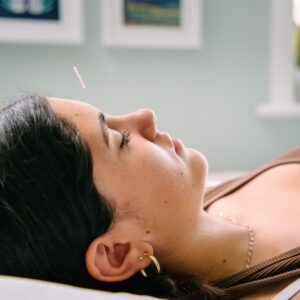
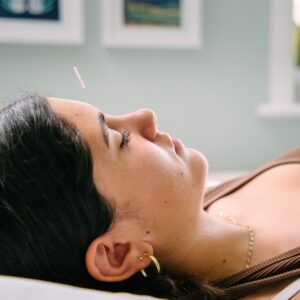
Treatment involves the use of very fine needles placed at specific points on the body. The points I choose will depend on what has brought you in, your health history, and how your body is feeling on that particular day. People often come for help with things like pain, headaches, fatigue, stress, anxiety, hormonal health or digestive issues. Although, it’s also common to notice other changes as treatment progresses, such as better sleep, improved energy, or feeling calmer and more like yourself again. In clinic, acupuncture is never a one-size-fits-all treatment.
Each session is tailored to you, with space to slow down, talk things through, and be treated as a unique and wonderful person, rather than a list of symptoms. Alongside treatment, we may also explore small, realistic changes that support how you feel day to day, and help the effects of acupuncture last over time.


What can acupuncture help with?
Modern life can ask a lot of our bodies, and many people come to acupuncture when they feel they need support with the physical and emotional demands of daily life.



People often seek acupuncture support for:
pain and muscular tension
headaches and migraines
stress, anxiety and feeling overwhelmed
fatigue and low energy
sleep difficulties
digestive symptoms
women’s health, including menstrual & hormonal concerns
Evidence Based
Research into acupuncture has explored its use across a wide range of health concerns. Evidence is strongest in some areas, particularly pain conditions such as back pain, neck pain, headaches and osteoarthritis, and research continues into many other areas.
Acupuncture is also used alongside conventional healthcare to support people managing a range of ongoing health concerns. As with any treatment, the response to acupuncture varies from person to person, and I will always take time to understand your individual circumstances before recommending an approach.
For a more detailed overview of the current research into acupuncture and specific health conditions, you can explore the British Acupuncture Council’s evidence summaries here.





Frequently Asked Questions
What should I expect at my first appointment?
We’ll begin with a conversation about what’s brought you in, as well as your general health, sleep, digestion, and how things have been for you more broadly. This helps me understand your health as a whole, rather than focusing on one symptom in isolation.
I may also take your pulse and look at your tongue. These are traditional Chinese medicine tools that give me further insight into how your body is functioning.
Treatment itself involves very fine needles placed at specific points on the body. Most people are surprised by how little they feel — often describing a light sensation or a sense of settling as they begin to relax. Depending on what feels needed, treatment may also include gentle additional techniques such as moxa, cupping, gua sha, tui na (Chinese massage), or ear acupuncture.
Once the needles are in place, you’ll rest quietly for a while. Many people find this part of the treatment deeply restful, and it’s not uncommon to fall asleep.
Do I need to eat before my appointment?
I usually recommend eating something beforehand. It’s rare, but some people can feel a little light-headed during or after treatment, and this is more likely if you haven’t eaten.
Does acupuncture hurt?
Most people feel very little when the needles go in. Occasionally there might be a brief sensation, but this passes quickly. The needles are much finer than those used for injections or blood tests.
If anything ever feels uncomfortable, I’ll always adjust things straight away.
How will I feel afterwards?
People often leave feeling more relaxed, a little lighter, or more settled in themselves. Sometimes there can be small shifts in sleep, energy, or mood in the hours or days afterwards.
Everyone responds differently, and we’ll always talk things through as we go so treatment can be adjusted to how you’re feeling.
What if I don’t like needles?
If you’re unsure about needles, we can also use gentle acupressure instead. This involves using light pressure on the same acupuncture points, and can be a good option for people who feel nervous or would prefer not to have needles.
What do I need to do to prepare?
You don’t need to prepare anything or approach acupuncture in a particular way. Just come as you are. The aim is simply to create space to slow down, and to support your body in the way it needs on that day.

Get in Touch
If you're ready to book an appointment, or would like a free 15 minute phone call to decide if acupuncture is right for you, please get in touch, and I will get back to you as soon as possible.
Phone:
sara.acupuncture@icloud.com
+44 7463 605962
© Sara Hunt Acupuncture 2026. All rights reserved.
Follow